Fast, safe, professional tree removal and trimming. Certified arborists. 24/7 emergency service. Free on-site estimates. Serving all five NYC boroughs since 2016.
Click any service to see details and estimated price ranges. All estimates are free and final pricing is confirmed on-site.

Complete, safe tree removal for dead, diseased, or hazardous trees. We handle any size, including tight Brooklyn lots and backyard access.

Professional trimming and pruning to promote tree health, remove dead branches, and improve safety around your property.

Complete stump elimination below ground level. No unsightly stumps, no tripping hazards - just clean, usable space.

Storm damage, fallen trees, hazardous limbs - we respond 24/7 across all five boroughs. Fast, safe, professional.
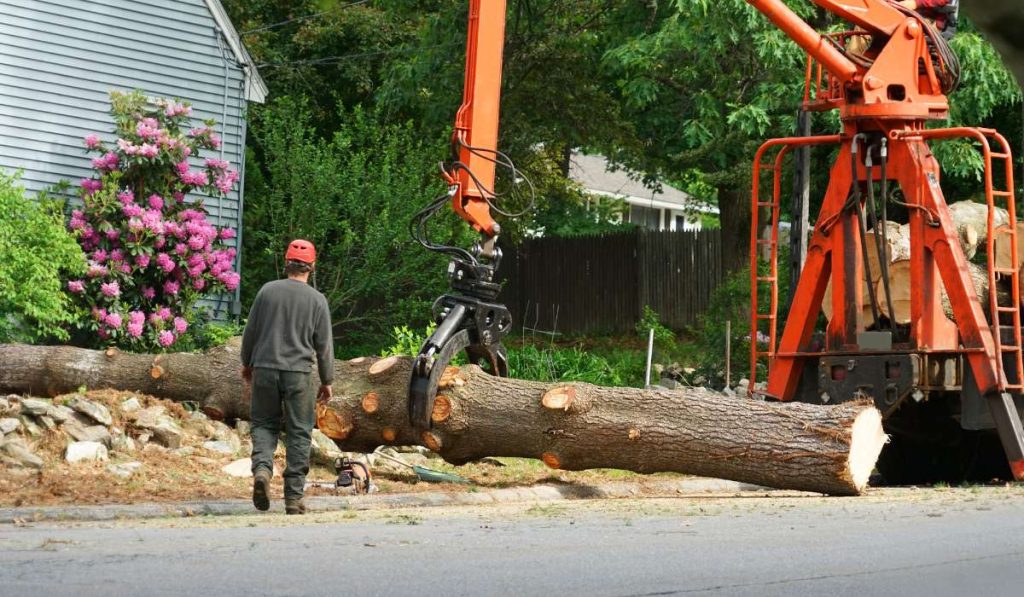
Specialized crane-assisted removal for large, dangerous, or difficult-to-access trees. The safest method for complex removals.
Complete site clearing for construction, renovation, or landscaping. Trees, brush, stumps, and debris fully removed.
We are Brooklyn's go-to tree service for one simple reason: we do the job right, every time.
Tree emergencies do not keep business hours. Neither do we. Available around the clock, every single day.
We stand behind every job. If you are not satisfied, we make it right. No exceptions, no excuses.
Free on-site estimates with transparent pricing. No hidden fees, no surprise charges. You approve first.
We respect your schedule. Our crews arrive when promised and complete the job efficiently and cleanly.
Brooklyn's trusted tree service experts, serving all five boroughs since 2016.
Tarzan Tree Removal, LLC was founded to serve Brooklyn's unique tree care needs. What started as a small operation after Hurricane Sandy highlighted the critical need for professional, responsive tree removal services has grown into one of Brooklyn's most trusted tree service companies. Based at 15 Cyrus Avenue, Brooklyn, NY 11229, we have built our reputation on safety, reliability, and fair pricing.
Our team includes ISA certified arborists who understand the specific challenges of urban tree work in New York City. From tight brownstone lots in Brooklyn Heights to mature oaks near Prospect Park, we have the equipment and expertise to handle any tree project safely. Owner Joe and our experienced crew treat every property with respect, ensuring clean workspaces and thorough cleanup on every job.
We are proud to be a two-time Best of Brooklyn winner, backed by 74+ verified Google reviews with a 4.8-star average rating. Our services cover all five boroughs: Brooklyn, Manhattan, Queens, Staten Island, and The Bronx. With 24/7 emergency response, we are always available when you need us most, whether it is storm damage, a hazardous leaning tree, or routine maintenance to keep your trees healthy and your property safe.
From first call to clean yard, we make tree service effortless.
Call us or fill out our quick form. Tell us what you need and we schedule a visit at your convenience.
Joe comes out, assesses the job, and gives you a fair, transparent price. You approve before we start.
Our certified crew handles everything safely and professionally. No stress, no mess.
We leave your property spotless. You enjoy a clean, safe, tree-free yard. It is that simple.
Real tree removal projects across Brooklyn and NYC.

"I called Tarzan Tree Removal on a Saturday and they came out to do an estimate on a Monday. The price was fair, Joe talked through all the considerations, and we agreed for them to come on Thursday. The crew showed up on time and did an amazing job taking down an old 40' mulberry tree and grinding the stump."
"Tarzan tree removal has very reliable, punctual, professional, and friendly group of staff. I am very pleased and impressed with how they removed my rotten 'monster' tree in the backyard. I would definitely recommend them!"
"Responsive, respectful, reliable, fair, calm, organized, efficient. Delivered as promised, drama free. Great crew. Thanks Joe."
"Outstanding to work with. They are priced very competitive and we recommend them to others."
"A very big thank you to Joe and his team really they did a nice job and they were above and beyond, they make an estimate right away when you send the details and their prices are the best in the city."
"Professional and efficient tree removal service. Highly recommend Tarzan Tree Removal for anyone in Brooklyn needing tree work done."
Based in Brooklyn, serving all five boroughs with fast, professional tree service.
Tree removal in New York City presents challenges you will not find anywhere else. Brooklyn's historic brownstones often have mature trees planted decades ago in tiny backyard spaces, with tight lot spacing that makes crane work or bucket truck access difficult. Our crews are experts at navigating narrow alleyways, shared driveways, and backyard-only access points common in neighborhoods like Park Slope, Brooklyn Heights, and Cobble Hill.
Power line proximity is another critical concern. Many trees in Brooklyn and across NYC grow directly beneath or entangled with overhead utility lines, especially in older neighborhoods near Prospect Park, Crown Heights, and Bedford-Stuyvesant. We coordinate with utility companies when needed and use specialized rigging techniques to safely remove limbs without risking contact with live wires.
From the tight street parking of Williamsburg to the larger lots of Dyker Heights and Bergen Beach, we have encountered every scenario NYC tree work can offer. Our certified arborists assess each site individually, accounting for pedestrian traffic, parked vehicles, adjacent structures, and the unique zoning requirements of each borough. No two tree jobs in New York City are the same, and our experience means your project gets done right the first time.
Straight answers to common questions about tree removal in Brooklyn.
Call now or fill out the form above. Exclusive first-time customer offer - do not wait.
