
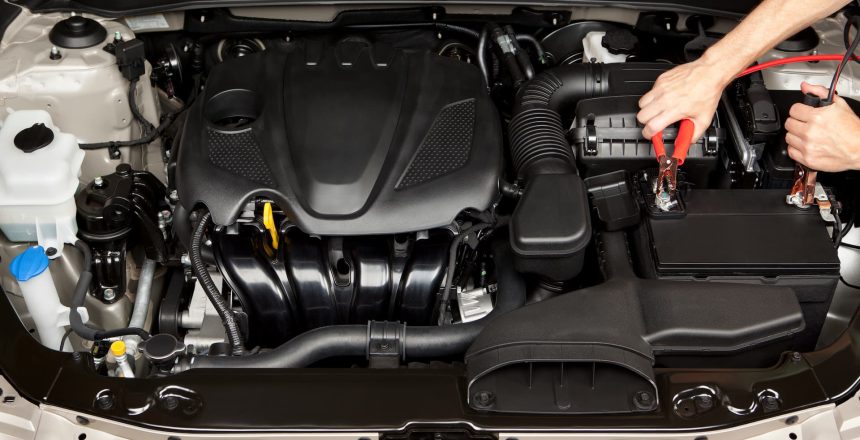
Imagine being stranded in the middle of nowhere because your car refuses to start. The culprit could be a bad starter, an essential component in the ignition process. Knowing the signs of a bad starter and how to diagnose a bad starter can save you from this predicament and prevent expensive repairs down the line. This blog post will walk you through the role of a starter, common signs of a failing starter, troubleshooting tips, and how to know if a starter is bad, as well as the consequences of ignoring a bad starter. So without further adieu, lets dive right into how to diagnose a bad starter.
Short Summary
- Understanding the role of a starter is essential for proper functioning of a vehicle and bad starter diagnosis.
- Indicators such as engine not turning over, clicking or grinding noises during startup, inconsistent starting, dimming interior lights and smoke, a dead battery or burning smell are signs of a failing starter that should be addressed immediately.
- Ignoring these symptoms can lead to stranding and inconvenience, damage to other components and safety concerns.
Understanding the Starter’s Role
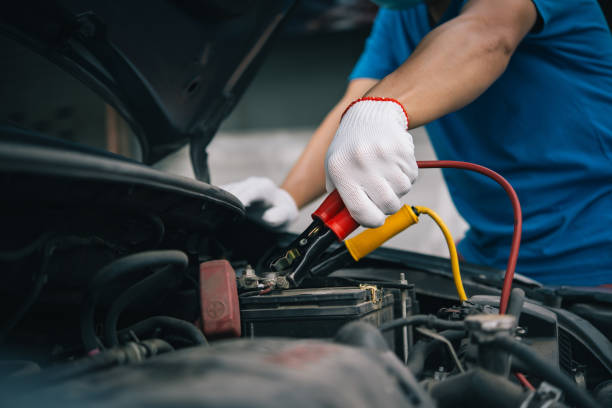
The starter is an electric motor powered by the battery, responsible for initiating the engine and getting the vehicle running. Without a properly functioning starter, starting your car becomes an impossible task.
The starting system is composed of several components, including the battery, battery cables, starter relay, ignition switch, and the starter motor itself. In this article, we’ll delve into the intricacies of the starter’s role, how it works, how to diagnose starter problems, and why it’s essential to have a functioning starter in your vehicle.
How the starter works

The starter motor is engaged when you turn the ignition to “run,” initiating the cranking of the engine. The starter motor uses a small pinion gear to rotate the larger engine flywheel or flex plate, enabling the intake of air and fuel.
Powering this process is the starter solenoid, which facilitates the engagement of the starter gear with the engine flywheel. The starting system also includes other components such as battery cables, starter relay, and ignition switch, all working together to ensure a smooth and successful starter motor.
Importance of a functioning starter
A functioning starter is crucial for a car to start. Neglecting a faulty starter can lead to costly repairs and even leave you stranded in an undesirable situation.
Furthermore, if the starting relay jams, it can cause serious damage to the transmission flywheel and the entire starting system. A phenomenon known as engine kickback can also occur, where the engine turns in the opposite direction of its usual rotation, potentially causing harm to the starter.
As we explore the signs of a bad starter, it’s essential to keep in mind the importance of addressing these issues as soon as they arise.
Indicators of a Failing Starter

Recognizing the warning signs of a failing starter is critical in preventing further damage to your vehicle and avoiding getting stranded. Common indicators of a failing starter include the engine not turning over, clicking or grinding noises during startup, inconsistent starting, dimming interior lights, smoke or burning smell, and an oil-soaked starter.
These warning signs of a car starter going bad should not be ignored, and it’s essential to address them promptly to ensure the proper functioning of your vehicle’s starting system. Diagnosing a bad starter is essential to fixing the problem, so what does a bad starter do? Here are the signs your starter went out:
Engine not turning over
One of the most common bad starter symptoms is the engine not turning over when you turn the key or press the start button. The possible causes for this issue include a damaged starter motor or relay or an issue with the electrical system, perhaps there is trouble with the star