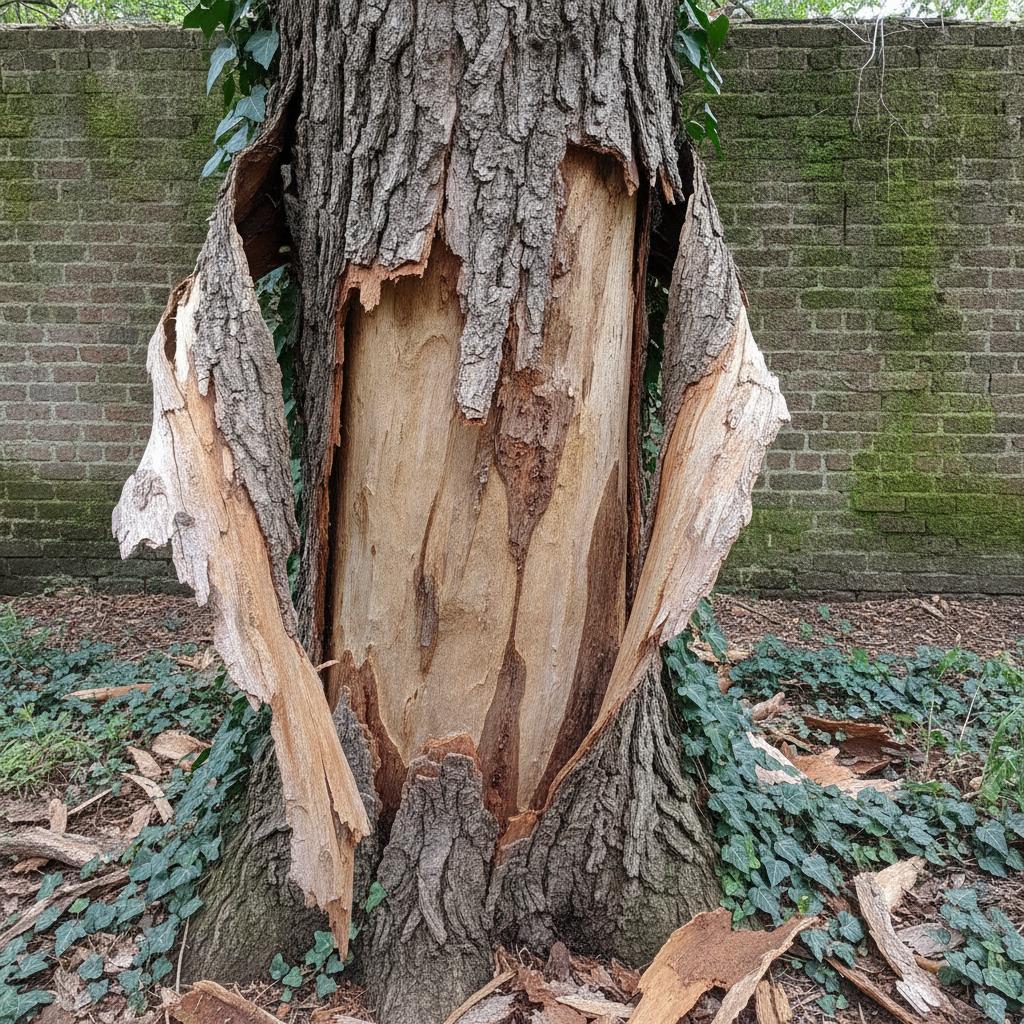
You walk into your backyard and notice chunks of bark falling off your tree. Tree bark peeling is one of the most common concerns Brooklyn homeowners call us about at Tarzan Tree Removal. Some peeling is completely natural. Other times, it signals a serious problem that needs professional attention.
The tricky part is telling the difference. A healthy birch tree sheds bark every year. A dying oak with peeling bark might need removal before it falls on your house. Our certified arborists help NYC homeowners figure out what is happening and what to do about it.
- Some trees peel naturally - Birch, sycamore, and maple trees shed bark as part of normal growth. This is not a concern.
- Peeling can signal disease - Fungal infections, cankers, and rot can cause bark to separate from the trunk.
- Environmental stress plays a role - Drought, extreme temperatures, and sunscorch damage bark in NYC yards.
- Mechanical damage is common - Lawn mowers, weed trimmers, and animals can strip bark and create entry points for disease.
- Large peeling sections are a red flag - When bark falls off in sheets or exposes large areas of smooth wood, call a certified arborist.
- Tarzan Tree Removal offers free assessments - We inspect peeling bark across all 5 boroughs and tell you if your tree needs care or removal.
What Causes Tree Bark Peeling?
Tree bark peeling happens for several reasons. Some are harmless. Others require immediate attention from a certified arborist. Understanding the cause helps you decide whether to act or relax.
The main causes of bark peeling include:
- Natural growth - Some tree species shed their oldest outer layer as they grow
- Fungal disease - Infections attack the bark and cause it to separate from the trunk
- Environmental stress - Drought, sunscorch, and extreme temperature swings damage bark
- Mechanical damage - Lawn equipment, vehicles, or animals strip bark from the trunk
- Insect infestation - Borers tunnel under the bark, causing it to loosen and fall
- Animal damage - Squirrels, deer, and rodents chew or scratch bark off trees
Each cause requires a different response. Natural peeling needs no action. Disease or damage may require treatment, pruning, or tree removal if the tree becomes a hazard.
Natural Bark Shedding vs Problem Peeling
How do you tell the difference between normal shedding and a serious problem?
Normal bark shedding:
- Thin layers of bark peel away revealing fresh, healthy bark underneath
- The new bark is smooth and light-colored
- The tree otherwise looks healthy with full foliage
- Common in birch, sycamore, maple, and crepe myrtle trees
- Happens seasonally, usually in summer or early fall
Problem peeling:
- Large sheets of bark fall off exposing bare wood
- The exposed wood is dry, cracked, or discolored
- The tree shows other symptoms like wilting leaves or dead branches
- Bark peels from only one side of the trunk
- The peeling area oozes sap or shows fungal growth
If you see signs of problem peeling, contact a certified arborist for an assessment. Waiting too long can turn a treatable issue into a hazard tree that needs emergency removal.
Trees That Naturally Peel (Normal Bark Shedding)
Several tree species naturally shed bark as part of their growth cycle. If you have one of these trees, peeling bark is normal:
- Birch trees - Famous for peeling white bark in thin papery layers
- Sycamore trees - Large plates of bark peel away revealing creamy inner bark
- Crepe myrtle - Smooth bark peels in patches to reveal fresh bark
- Pine trees - Some pines shed scaly bark as they grow
These trees shed their oldest outer layer to make room for new bark. The peeling bark is thin, and what lies beneath looks healthy and smooth.
Disease-Related Bark Peeling
When disease causes bark peeling, the tree is in trouble. Common diseases that cause bark to peel include:
Cankers: Fungal infections that kill sections of bark. The dead bark falls away, exposing the wood underneath. Cankers often ooze sap and show sunken, discolored areas.
Heart rot: Fungi that decay the inner wood of the trunk. As the rot spreads, bark loses its connection to the trunk and falls off. This weakens the tree structurally and creates a fall hazard.
Bacterial infections: Some bacteria cause bark to blister and peel. Wetwood and slime flux are common bacterial issues that affect bark integrity.
Root rot: When roots decay from fungal infections, the entire tree suffers. Bark peeling can be a symptom of root problems that are invisible above ground.
Disease-related peeling often comes with other symptoms. Look for wilting foliage, dead branches, mushroom growth at the base, or sap oozing from the trunk. These signs together mean you need professional help fast.
Environmental Stress and Bark Damage
Brooklyn trees face tough urban conditions. Environmental stress can cause bark to crack, split, and peel.
Drought stress: When a tree lacks water, the bark dries out and cracks. Long dry spells in NYC summers can cause bark splitting. Watering deeply during dry periods helps prevent this.
Sunscorch: Sudden exposure to intense sunlight can damage bark. This often happens when a neighboring tree is removed and a previously shaded tree suddenly gets full sun. The bark blisters and peels on the sun-exposed side.
Temperature swings: Rapid freeze-thaw cycles in NYC winters cause bark to expand and contract. This can lead to frost cracks that split the bark vertically.
Soil compaction: Compacted soil from construction or foot traffic limits root growth and stresses the tree. Stressed trees are more susceptible to bark problems.
Our tree trimming service helps manage tree health through proper pruning.
Mechanical Damage to Tree Bark
Many bark problems start with physical damage. The most common causes in NYC yards include:
- Lawn mowers and weed trimmers - Hitting the trunk while mowing strips bark and creates wounds
- Vehicle damage - Cars backing into street trees damage the bark and trunk
- Construction damage - Heavy equipment scraping the trunk during renovations
- Animal damage - Squirrels, rats, and raccoons chew bark for food or nesting material
- Improper pruning - Bad pruning cuts that rip bark instead of making clean cuts
Mechanical damage creates openings for disease and insects. Protect tree trunks with guards or mulch rings. If damage already occurred, a certified arborist can assess whether the tree can recover.
How to Tell If Peeling Bark Means Your Tree Is Dying
Not all peeling bark means your tree is dying. But certain signs point to serious trouble:
- Bark falls off in large sheets - Exposing significant areas of bare wood
- No new bark underneath - The exposed wood stays bare and dry
- Trunk feels soft or spongy - Push a screwdriver into the trunk. If it goes in easily, the wood is rotting
- Foliage is thinning or dying - Leaves are sparse, wilting, or turning brown out of season
- Branches are falling - Dead branches dropping from the upper canopy
- Fungal growth on the trunk - Mushrooms or conks growing on the bark indicate internal decay
- Leaning trunk - The tree is starting to lean, meaning the root system may be failing
If you notice three or more of these signs, your tree may be a hazard. A dying tree near your house, car, or power lines needs emergency tree service before it falls.
Tree Bark Peeling Treatment Options
Treatment depends on the cause:
- Natural peeling - No treatment needed
- Disease - A certified arborist can apply fungicide treatments. Severe cases may require removal
- Environmental stress - Water deeply during drought. Mulch around the base to retain moisture
- Mechanical damage - Clean wounds with a sharp knife. Do not use wound paint - it traps moisture and promotes rot
- Insect infestation - Professional treatment can stop borers before they cause more damage
- Root problems - Improve soil drainage and reduce compaction
Never try to treat a large area of bark damage yourself. DIY treatments often make the problem worse. A certified arborist has the training to diagnose the cause and recommend the right treatment.
When to Call a Certified Arborist
Call a professional if you notice any of these situations:
- Bark peeling covers more than 25 percent of the trunk circumference
- The tree is near your house, power lines, or a public sidewalk
- You see fungal growth, sap oozing, or soft spots on the trunk
- The tree is leaning or has dead branches in the upper canopy
- Peeling appeared suddenly after a storm or construction work
- You are unsure whether the peeling is normal for your tree species
Tarzan Tree Removal offers free assessments across all 5 NYC boroughs. Our certified arborists will inspect your tree and recommend the right action. We swing into action fast because tree problems do not wait.
Why Brooklyn Homeowners Trust Tarzan Tree Removal
Tarzan Tree Removal has served NYC since 2012. Our team started during Hurricane Sandy, helping neighbors clear downed trees across Brooklyn. That community spirit still drives us.
- Certified arborists - We have the training to diagnose bark issues and tree diseases
- 24/7 emergency response - Hazard trees do not wait for business hours
- Same-day service - We can often inspect your tree the same day you call
- Free estimates - No charge to assess your tree and explain your options
- Transparent pricing - No hidden fees, ever. You know the cost before we start
- Tight-space specialists - We safely remove trees near buildings, fences, and power lines
- 100% satisfaction guarantee - We do not leave until the job is done right
- Family-owned - Deep Brooklyn roots and local knowledge
Call us at (347) 833-5862 to schedule your free tree assessment. We serve Brooklyn, Queens, Manhattan, the Bronx, and Staten Island.