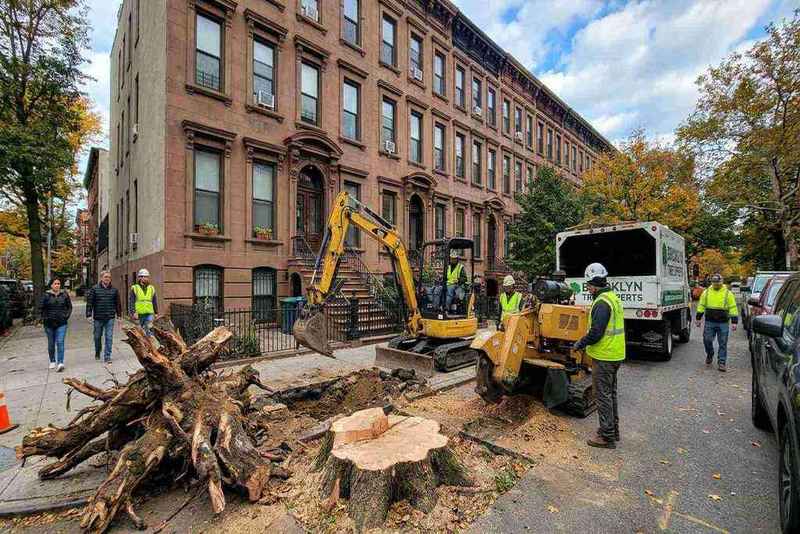
Tree roots can crack sidewalks, invade sewer pipes, and push up driveways across Brooklyn. When that happens, you need them gone. At Tarzan Tree Removal, we handle tree removal and root extraction jobs for homeowners in every NYC borough. The cost to remove tree roots depends on the method, the root size, and how deep the system goes. Most Brooklyn homeowners pay between $300 and $1,800 for professional root removal, with the average falling around $650. Getting an accurate estimate requires understanding what drives the price up or down on your specific property.
Key Takeaways
- Average tree root removal cost is $300 to $1,800 - Small surface roots cost less than deep structural roots.
- Stump grinding is the cheapest option - Grinding a stump and its root flare runs $150 to $500 on average.
- Root barriers cost $500 to $1,500 - These prevent future root intrusion into foundations and pipes.
- Excavation is the most expensive method - Digging out large root systems can cost $1,000 to $3,500.
- NYC permits may apply - Trees on public property or in landmarked districts need city approval before removal.
- Tarzan Tree Removal offers free estimates - Call (347) 833-5862 for a same day quote across all 5 boroughs.
What Is the Average Tree Root Removal Cost?
The average tree root removal cost in the United States ranges from $300 to $1,800. In Brooklyn and the wider NYC area, expect to pay 10 to 30 percent more than the national average. Labor rates are higher here, and tight residential lots make equipment access harder. The good news is that most residential root problems fall on the lower end of that range.
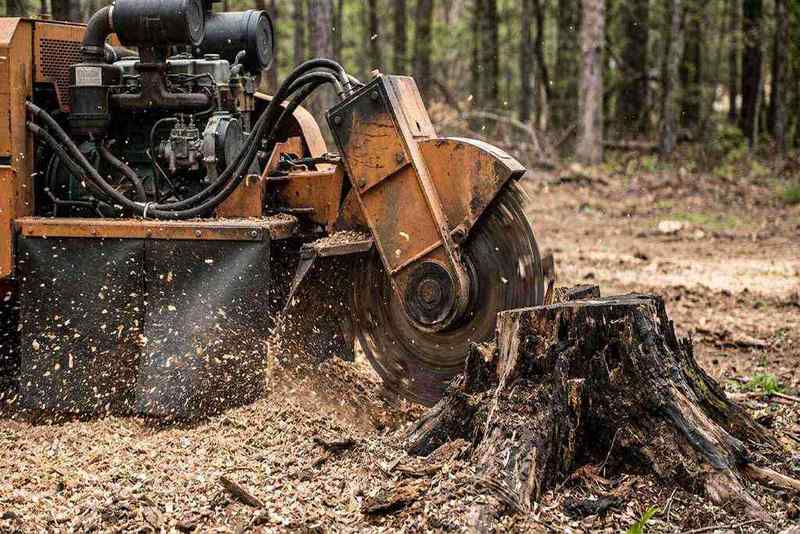
Most root removal jobs fall into one of three categories:
- Surface root removal - Shallow roots lifting sidewalks or lawns. Costs $300 to $700.
- Stump and root ball removal - Extracting the stump along with the main root flare. Costs $400 to $1,200.
- Deep root extraction - Roots growing under foundations, pipes, or driveways. Costs $800 to $3,500.
The removal cost depends heavily on the method used. Chemical treatment is the cheapest option. Grinding is the most common. Full excavation is the most thorough but also the most expensive. Your choice depends on what problem you are trying to solve and how quickly you need it solved.
National Average vs Brooklyn Pricing
National averages give you a baseline, but Brooklyn prices run higher. A job that costs $400 in upstate New York might cost $550 in Brooklyn Heights or Park Slope. Tight streets, parking restrictions, and limited equipment access all add to the labor cost. Permits and landmark district rules can also extend project timelines, which adds to the final bill.
Tree Root Removal Cost by Method
Different removal methods come with very different price tags. Here is what each one costs and when it makes sense to choose it.
Chemical Root Removal: $100 to $400
Chemical removal uses potassium nitrate or copper sulfate to accelerate decomposition. You drill holes into the stump and roots, pour in the chemical, and wait weeks or months for the wood to soften. This is the cheapest method but also the slowest.
Chemical removal works for small stumps and surface roots. It does not work for roots under structures or when you need the space cleared quickly. The chemicals are generally safe when used as directed, but they can affect nearby plants if the solution leaches into the soil.
Stump Grinding: $150 to $500
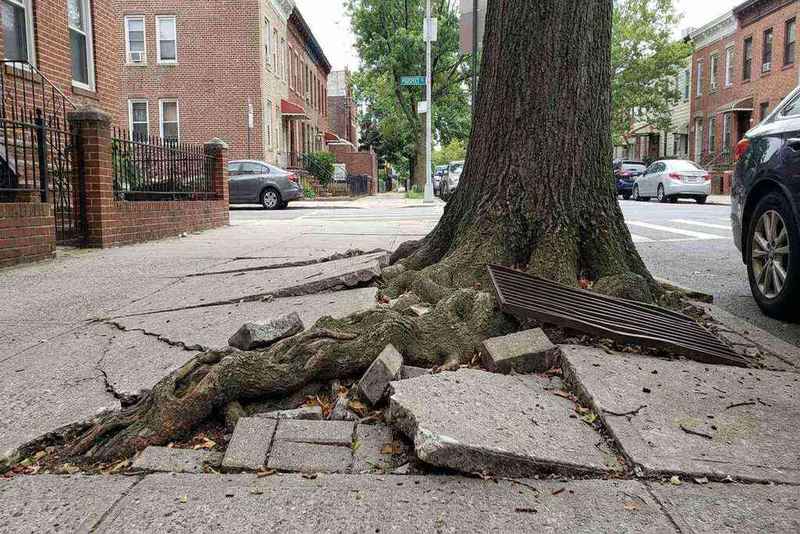
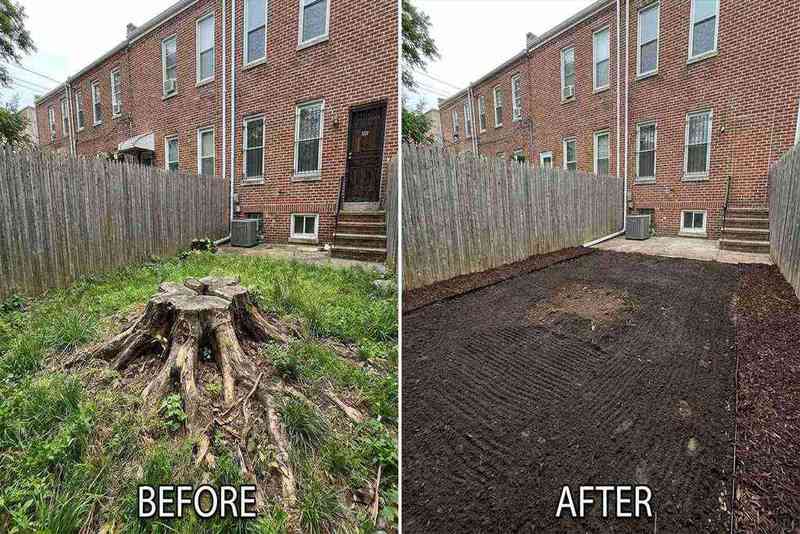
Stump grinding is the most popular root removal method. A stump grinder chews the stump and root flare down 6 to 18 inches below grade. The remaining roots decompose naturally underground over several years.
Grinding is fast, usually taking 30 minutes to 2 hours. It leaves the surrounding area mostly intact, making it ideal for lawns and garden beds. However, grinding only removes the stump and the top portion of the root flare. Deeper roots remain in the ground and will slowly break down on their own.
For Brooklyn homeowners dealing with a stump after tree trimming or removal, grinding is usually the best balance of cost and effectiveness. Most tree service companies include stump grinding as an add on to tree removal for a discounted rate.
Root Excavation: $800 to $3,500
Excavation means digging out the entire root system. This is necessary when roots are damaging foundations, sewer lines, or underground utilities. The crew uses shovels, air spades, or small excavators to remove roots completely.
Excavation is labor intensive. In Brooklyn, where lot sizes are small and access is tight, the process takes longer and costs more. A typical residential excavation runs $1,000 to $2,500. Air spade excavation, which uses compressed air to remove soil without damaging pipes, costs more but is safer around utilities.
Root Barriers: $500 to $1,500
Root barriers are physical or chemical barriers installed underground to stop roots from growing toward structures. They are often installed after partial root removal to prevent future intrusion.
If you have a tree near your foundation in neighborhoods like Bay Ridge or Bensonhurst, a root barrier can save you thousands in future repair costs. The barrier is typically installed 24 to 36 inches deep and extends along the side of the property facing the tree.
Factors That Affect Tree Root Removal Cost
Several variables push the price up or down. Understanding these factors helps you estimate your project accurately and avoid surprises when the bill arrives.
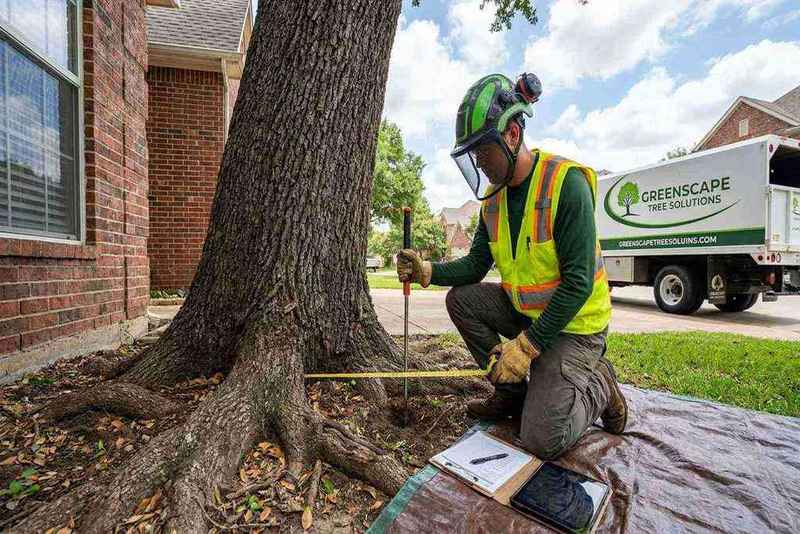
Root size and depth matter most. Larger roots cost more to remove. A 6 inch surface root is a quick grind. A 24 inch deep structural root requires excavation equipment and more labor time. Deep roots under 12 inches require special tools like air spades to avoid damaging underground utilities.
Tree size is the second biggest factor. The bigger the tree, the bigger the root system. An oak tree stump can be 36 inches across with roots spreading 30 feet. A small ornamental tree has roots you can remove with a shovel. Tree size directly impacts both the time and equipment needed.
Location and access vary widely across Brooklyn. Brownstone blocks in Park Slope and Cobble Hill have narrow front yards with limited equipment access. Crews may need to carry equipment through a building or use smaller machines. Properties in Canarsie or Marine Park have more open space, making equipment access easier and reducing labor costs.
The number of roots also affects pricing. Removing one surface root costs far less than clearing an entire root system. Some jobs only require cutting a single root that is lifting a sidewalk. Others need full extraction of a network spreading under a driveway.
Utility lines complicate root removal. Underground gas, water, and electrical lines complicate root removal. Before any digging, crews must call 811 to mark utility locations. Working around utilities adds time and cost to the project but is essential for safety.
Tree Root Removal Cost by Tree Type
Different tree species develop different root structures. The tree type affects how difficult and expensive removal is, and whether grinding alone will solve the problem.
Oak Tree Root Removal: $400 to $1,500
Oak trees develop deep taproots and extensive lateral root systems. Removing oak roots requires more digging and heavier equipment. The wood is dense and hard to grind, which slows down the process and increases labor costs.
Pine Tree Root Removal: $250 to $800
Pine trees have shallow, spreading root systems. They are easier to remove than hardwoods. Stump grinding usually handles pine roots effectively, and the wood is softer, making the grinding process faster.
Maple Tree Root Removal: $300 to $1,000
Maple trees develop dense, shallow root systems that often surface above ground. These surface roots are relatively easy to grind but can spread widely across a property, increasing the area that needs treatment.
Fruit Tree Root Removal: $150 to $500
Apple, cherry, and pear trees have smaller root systems. Removal is straightforward and affordable. Most fruit tree stumps can be ground in under an hour, and the roots decompose quickly.
Signs You Need Tree Root Removal
Not sure if you need root removal? Look for these warning signs around your property:
- Cracked or lifted sidewalks - Roots growing under concrete cause it to crack and rise, creating trip hazards.
- Sewer line backups - Tree roots invade sewer pipes through tiny cracks, causing recurring clogs and slow drains.
- Foundation cracks - Large roots can exert pressure on foundation walls over time, leading to structural issues.
- Uneven lawn surfaces - Surface roots create tripping hazards and make mowing difficult.
- Driveway damage - Roots growing under asphalt cause cracks and heaving that worsen with each freeze thaw cycle.
If you notice any of these signs, call (347) 833-5862 for a free assessment. Our certified arborist team will evaluate the root system and recommend the safest removal approach for your property.
Can You Remove Tree Roots Yourself?
DIY root removal is possible for small, shallow roots. A homeowner with a shovel, pruning saw, and some effort can remove surface roots under 2 inches in diameter. The cost is minimal, just your time and basic tools.
However, DIY removal has serious risks. Utility damage is the biggest concern. Cutting through a gas line or water pipe is dangerous and expensive to fix. Tree instability can result from removing major structural roots, causing a tree to fall, especially in storms. Incomplete removal means roots left in the ground continue to grow and cause problems. Physical injury is also a risk since digging and cutting roots is hard labor.
For anything beyond small surface roots, professional removal is safer and more cost effective. A professional crew has the equipment, insurance, and experience to do the job without damaging your property.
How to Save Money on Tree Root Removal
You can reduce your tree root removal cost with a few practical strategies.
Bundle services when possible. If you need tree removal and root removal, book them together. Many companies offer a discount for combined work. Stump removal is cheaper when done at the same time as tree cutting.
Get multiple quotes before committing. Always get at least three estimates. Prices vary significantly between companies. Make sure each quote includes the same scope of work so you can compare accurately.
Schedule in the off season. Tree service demand drops in late winter and early spring. Companies may offer lower rates during these slower months. January and February are the cheapest months for tree work in Brooklyn.
Choose grinding over excavation. If you do not need the entire root system removed, choose stump grinding. It costs a fraction of full excavation and handles most residential root problems effectively.
DIY vs Professional Root Removal Cost Comparison
Method | DIY Cost | Professional Cost | Best For
--- | --- | --- | ---
Chemical treatment | $20 to $80 | $100 to $400 | Small stumps, patient homeowners
Surface root cutting | $0 to $50 | $300 to $700 | Roots lifting sidewalks
Stump grinding | Not recommended | $150 to $500 | Standard stump removal
Root excavation | Not recommended | $800 to $3,500 | Roots under structures
Root barriers | Not recommended | $500 to $1,500 | Preventing future intrusion
DIY methods save money upfront but can cause costly damage if done wrong. Professional removal includes insurance, proper equipment, and guaranteed results.
Brooklyn Tree Root Removal Regulations
NYC has specific rules about tree and root removal. Ignoring these regulations can result in fines starting at $500.
Trees on Private Property
Trees on your own property are generally your responsibility. You can remove roots without a permit in most cases. However, if the tree is a landmarked species or in a historic district, you need approval from the NYC Landmarks Preservation Commission.
Trees on Public Property
Trees on sidewalks, in parks, and along public streets belong to the city. The NYC Parks Department must approve any root removal that affects these trees. Contact 311 to report sidewalk damage from city tree roots.
Sidewalk Repair Program
NYC offers a cost sharing program for sidewalk damage caused by city tree roots. Through the Trees and Sidewalks program, the city may repair your sidewalk at no cost if a city tree caused the damage. This program has a waiting list, so apply early.
When to Call an Emergency Tree Service
Sometimes root problems cannot wait. Call emergency tree service if:
- A root has cracked a gas line or water main, creating an immediate safety hazard
- A tree is leaning after root damage from a storm and could fall on a structure
- Roots have caused immediate structural damage to your home foundation
- A storm has exposed major roots and destabilized a tree on your property
Emergency root removal costs 30 to 50 percent more than scheduled work. However, waiting can lead to property damage or personal injury that costs far more than the premium rate.