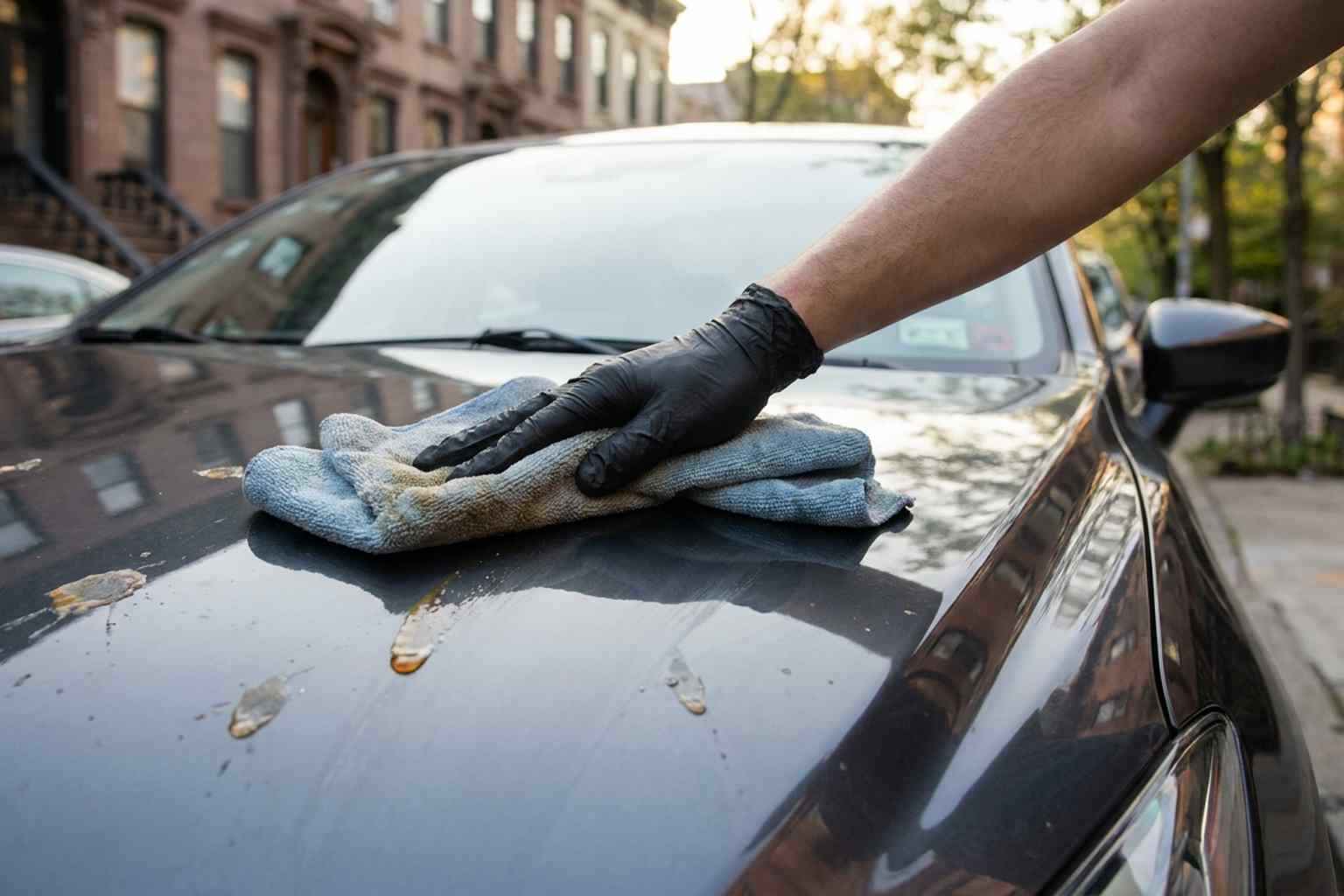
You park under the big maple on your block and come back to a hood covered in sticky amber blobs. Tree sap removal becomes a spring and summer ritual for NYC homeowners once the sap starts flowing. The good news is most sap spots come off with supplies you already have, as long as you match the method to the surface. The bad news is a tree that rains sap on your car, deck, or sidewalk usually needs professional attention, and that is where we come in. Tarzan Tree Removal solves the source of the problem with expert tree trimming in Brooklyn, and our crews work across all 5 boroughs.
Before you attack your paint with a razor blade, read this guide. The wrong technique turns a free fix into a body shop bill fast, and a heavily dripping tree turns cleanup into a bigger project.
What Is Tree Sap and Why Does It Stick Like Glue?
Tree sap is the fluid that carries water, sugars, and nutrients through a tree. Xylem sap is mostly water and shows up as clear drips from broken branches. Phloem sap is the sugary stuff that bleeds from wounds, insect holes, and pruning cuts in maples, birches, and pines.
Sugar is why sap bonds so stubbornly. As it sits it dries and cures like natural varnish. Fresh sap wipes off in seconds, while sap that baked on a Brooklyn driveway through a July heat wave bonds chemically to clear coat and concrete. Patience and the right solvent beat elbow grease.
Why Trees Drip Sap on Brooklyn Properties
A few drops after a storm is normal. A steady drip that stains everything below the canopy is not. The usual causes we see around NYC yards are:
- Pruning wounds - Sap bleeds from fresh cuts, especially on maples and birches cut at the wrong time of year
- Insect infestations - Aphids, scale, and borers punch holes that weep sugary fluid, often the sticky film you find on cars under a sick tree
- Borers and cankers - Deeper wounds and diseased patches leak sap continuously
- Heat stress - Long dry spells push some trees to bleed from cracks and bark splits
- Broken or rubbing limbs - Storm damage opens sap highways that drip for weeks
If one tree drips while its neighbors stay clean, that drip is usually a symptom, not a coincidence.
How to Remove Tree Sap from Car Paint
Your car is the most expensive thing sap lands on, so start gentle. Never pick at hardened sap with fingernails, keys, or blades. You will pull clear coat off with the blob and leave a dull crater.
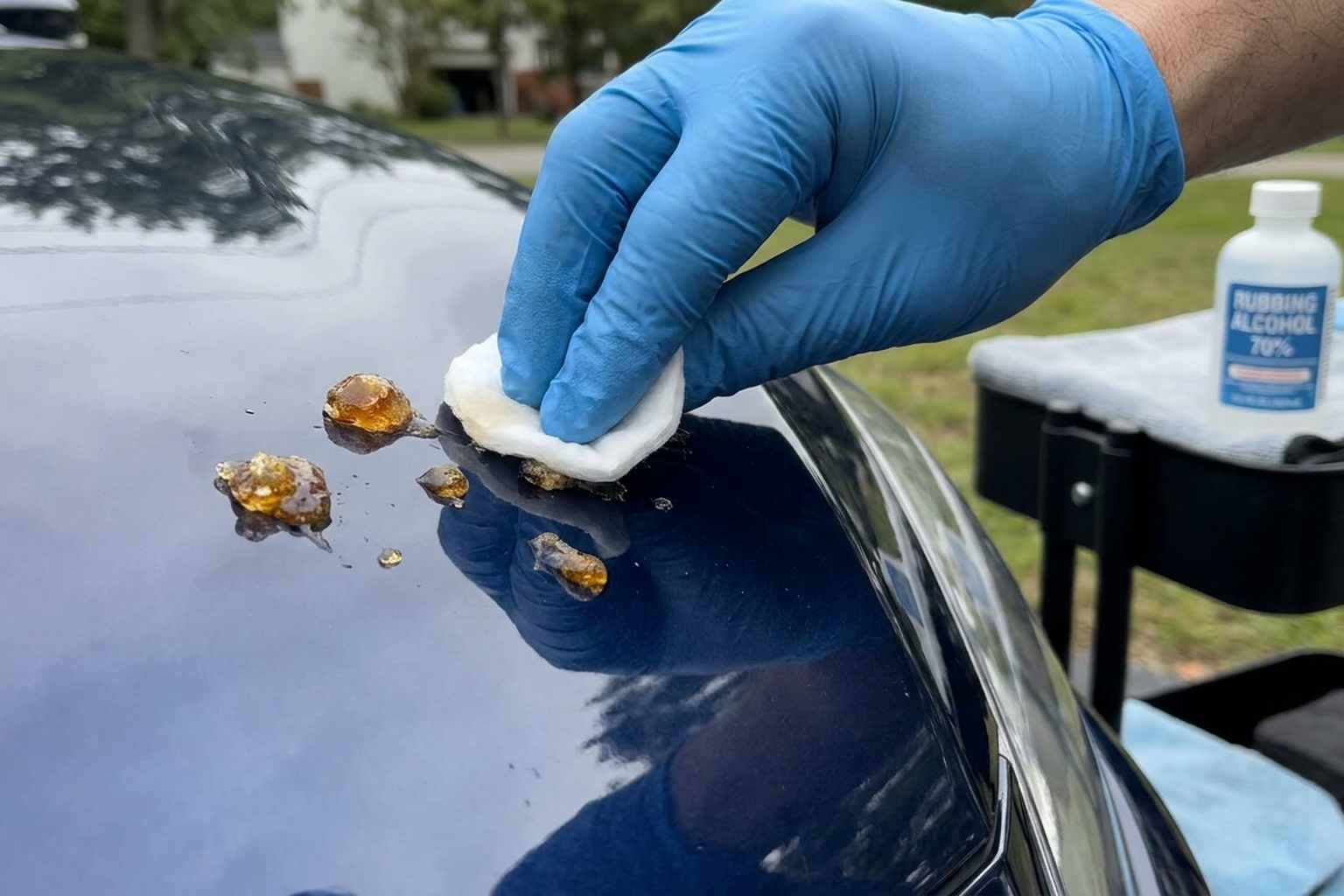
Work in the shade on a cool surface and wash the car first so grit cannot scratch the paint. These methods remove sap without damage:
Rubbing Alcohol
Isopropyl alcohol dissolves hardened sap without eating clear coat. Dab it on a microfiber cloth, hold it on the spot for 30 seconds to soften the blob, then wipe in one direction. Resoak and repeat instead of scrubbing. It is the first thing professional detailers reach for.
Hand Sanitizer
Same active ingredient as rubbing alcohol with added glycerin. It clings to vertical panels better than liquid, handy for doors and fenders. Let it sit a full minute, then lift the blob with a clean cloth.
Commercial Sap Removers
Auto parts stores sell spray removers built for sap and tar. They work well on large jobs, but test a hidden spot first. Skip acetone or lacquer thinner, which permanently cloud paint.
For sap that has been baking for months, this sequence almost always works:
- Wash and dry the whole panel so grit cannot scratch the paint
- Soak a microfiber cloth with rubbing alcohol and press it on the sap for 30 seconds
- Gently wipe in one direction, letting the alcohol do the work
- Resoak and repeat until the blob lifts away
- Wipe the area clean with a damp cloth
- Re-wash the spot with car soap to strip leftover alcohol
- Apply a coat of wax to the cleaned area
- Inspect the paint in direct light for any haze or etching
- If the surface feels rough, use a clay bar kit before waxing
How to Remove Tree Sap from Windshields and Glass
Glass is more forgiving than paint. Soak the sap with rubbing alcohol, let it soften, then scrape it with a fresh single-edge razor blade held nearly flat. Scraping that would ruin paint does no harm here. Finish with glass cleaner and wipe the wiper blades too, because sap sticks to rubber and streaks in the rain.
How to Remove Tree Sap from Skin
Sap on hands comes off with items from the medicine cabinet. Rub cooking oil, mayonnaise, or petroleum jelly into the sticky spot, let it sit a minute, then wash with dish soap and warm water. Hand sanitizer works too. Skip aggressive scrubbing or you will take skin off along with the sap.
How to Remove Tree Sap from Wood Decks and Fences
Sap on decking and fence boards is a regular complaint in Brooklyn backyards shaded by mature maples and pines. The fix depends on the finish:
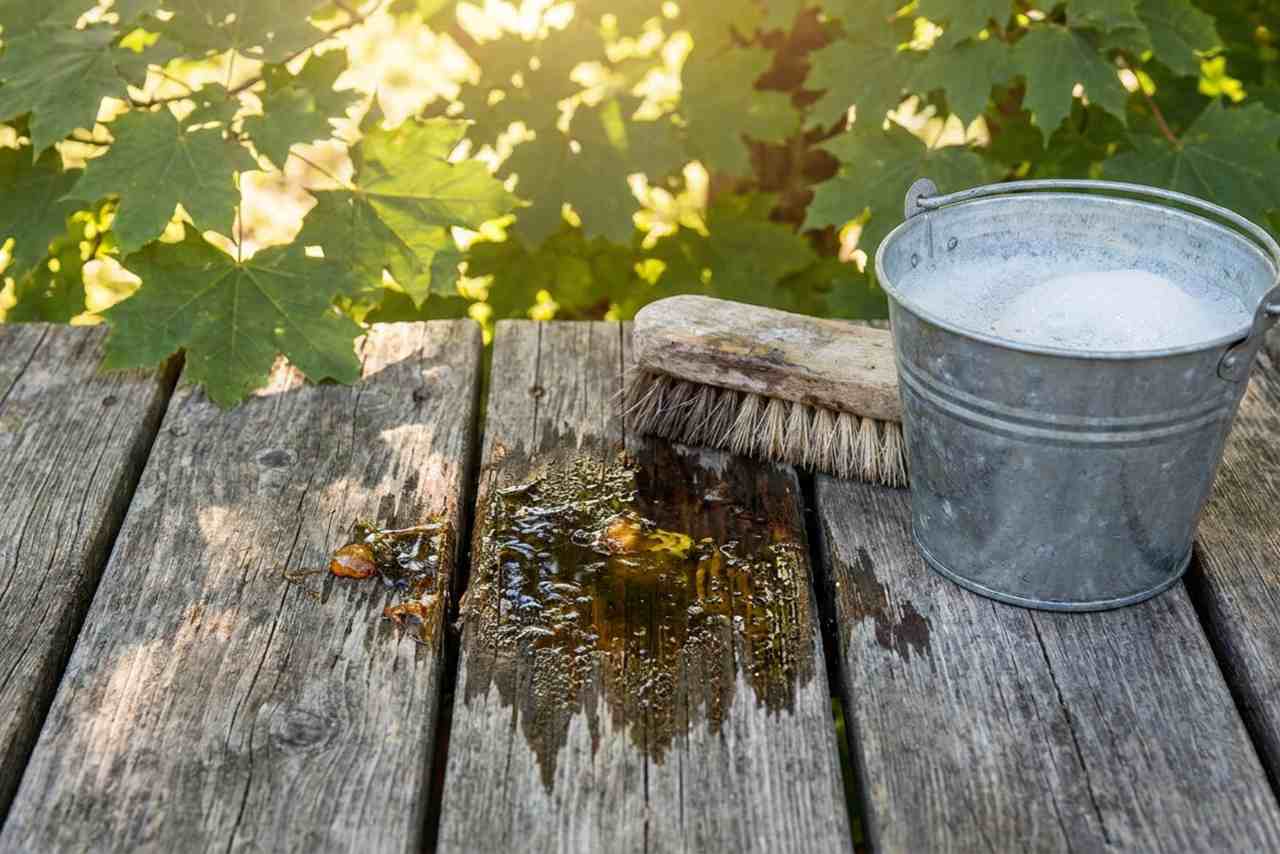
- Sealed or stained wood - Wipe with rubbing alcohol on a cloth, then rinse with soapy water
- Unfinished wood - Scrape the raised blobs gently with a plastic putty knife, then clean the residue with mineral spirits
- Painted surfaces - Test the solvent on a hidden corner first
Never use a metal scraper at a sharp angle, because it gouges soft deck boards. A fresh coat of sealer makes future sap spots wipe off instead of soak in.
How to Remove Tree Sap from Concrete, Brick, and Pavers
Cured sap on concrete looks like a dark amber stain and feels like gum underfoot. Scrape off the raised part with a plastic scraper, then scrub with degreasing dish soap and hot water. For old stains, pour rubbing alcohol or a baking soda poultice on the spot, cover it overnight, and scrub again in the morning. Pressure washing handles large driveway areas.
Does Tree Sap Damage Car Paint?
Yes, if it sits long enough. Sap bakes into clear coat in direct summer sun. As it hardens and shrinks it can pull the clear coat apart, leaving an etched ring. Worse, sap traps pollen and grit against the paint, and every wipe drags those particles across the finish like sandpaper. Remove sap within a few days and your paint stays fine. Ignore it all season and you may be shopping for a repaint.
How to Stop a Tree From Dripping Sap
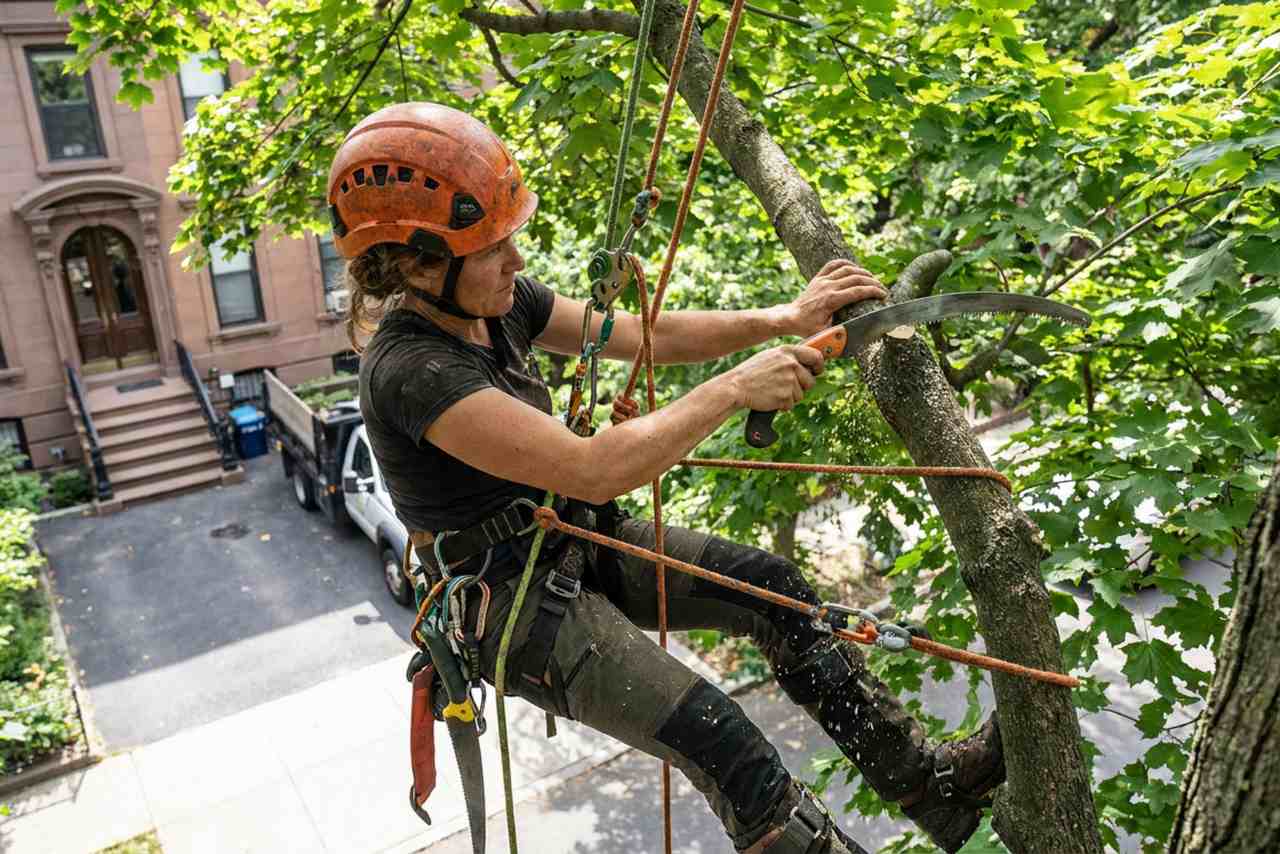
Cleaning up sap treats the symptom. If you want the drip to stop, the tree needs work, and that usually means pruning. Removing dead, damaged, and rubbing branches closes the wounds that bleed. Thinning a dense canopy also knocks back aphid and scale populations whose feeding leaves everything below sticky. Timing matters, since maples and birches bleed heavily if pruned in late winter, and a certified arborist can tell you which season is safe. In Brooklyn, where one tree often shades a parked car, targeted pruning is the difference between a clean hood and a sap trap.
When Heavy Sap Flow Means Your Tree Is Sick
One sticky week after a storm is weather. A tree that oozes constantly, especially from the trunk, is telling you something. Oozing bark, sunken areas, dead canopy patches, or sap mixed with sawdust-like frass point to borers, cankers, or decay. If you read our guides on what tree sap is and still wonder why your tree is leaking sap, get eyes on the tree. Caught early, most problems are treatable. Ignored, they turn cleanup into a removal job.
When the Tree Has to Go: Removal and Cleanup
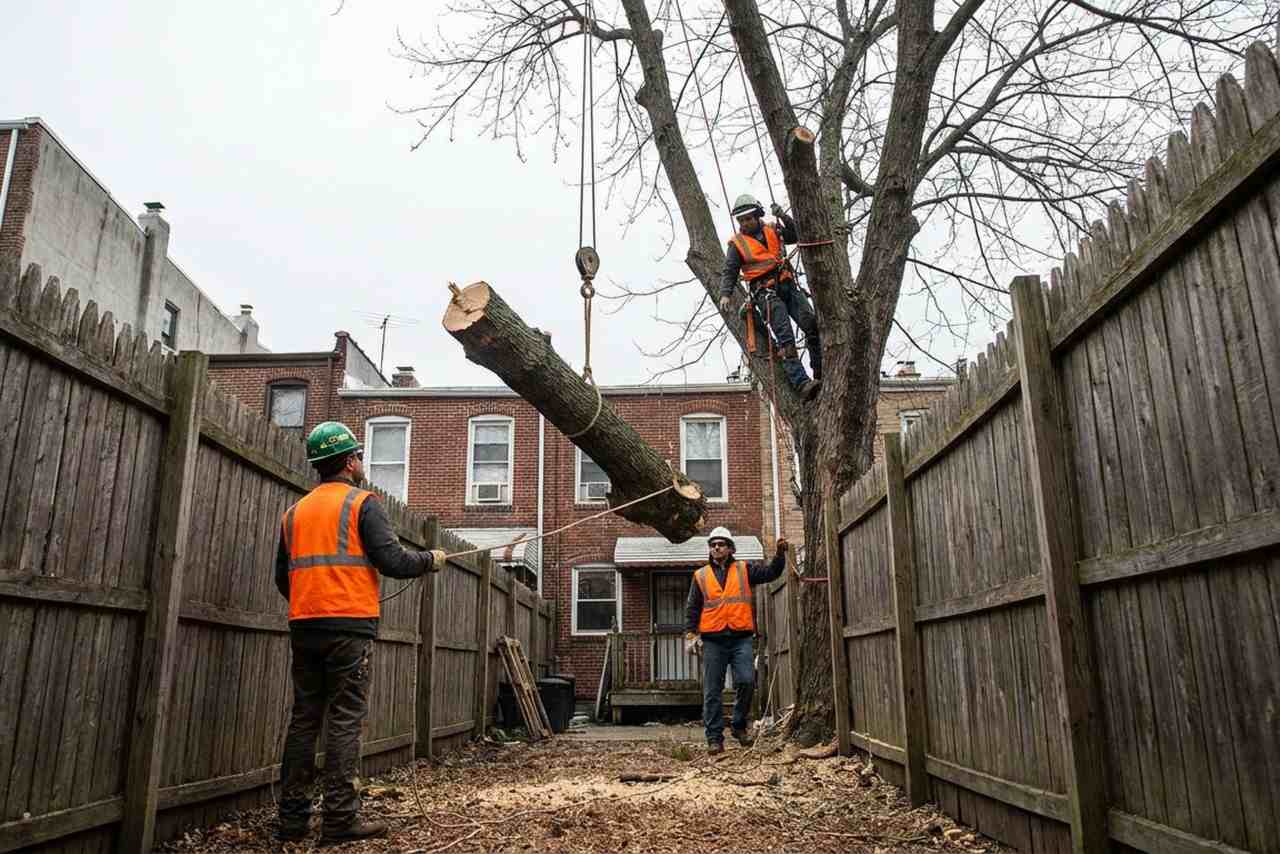
Some trees cannot be saved, and some should not be. A dead, hollow, or borer-infested tree dropping limbs over a parking spot is a liability in a borough where property lines are inches apart. Our tree removal crews work the tightest lots in Brooklyn, using rigging and crane support to bring trees down between buildings without touching a fence or a parked car. We finish with stump removal so the spot is clean enough to plant, pave, or park on, and the sap problem disappears with the stump.
Preventing Sap Problems Before They Start
Once your surfaces are clean, keep them that way with a few habits that cost nothing:
- Park smart - Avoid maples, pines, and elms in spring and early summer when sap flow peaks
- Use a cover - A $30 car cover beats a $500 detail every single time
- Prune on schedule - Routine pruning closes wounds properly instead of leaving them to weep
- Watch for insects - A sticky film on leaves is often aphids, which is treatable early
- Clear storm damage fast - Broken branches drip for weeks. Our emergency tree service handles hanging limbs across NYC before they become sap faucets
Tree Sap Removal Cost: DIY vs Professional Help
The DIY side is cheap. Rubbing alcohol, microfiber cloths, and dish soap handle most surface jobs for under $20. What DIY cannot fix is the tree. If the same tree keeps re-coating your property, you are buying solvents every month instead of solving the cause once. Professional pruning pays for itself the first summer you stop scrubbing your hood, deck, and sidewalk. Call (347) 833-5862 for a free estimate.
Why Brooklyn Homeowners Call Tarzan Tree Removal
Tarzan Tree Removal has served NYC since 2012, when our founders cleared storm-downed trees after Hurricane Sandy. We are certified arborists, we answer emergency calls 24/7, and we give free estimates with transparent pricing before work starts. From a single dripping maple over a brownstone driveway to full removals in tight lots, we swing into action fast.
Call (347) 833-5862 and we will stop the drip at the source across Brooklyn, Queens, Manhattan, the Bronx, and Staten Island.