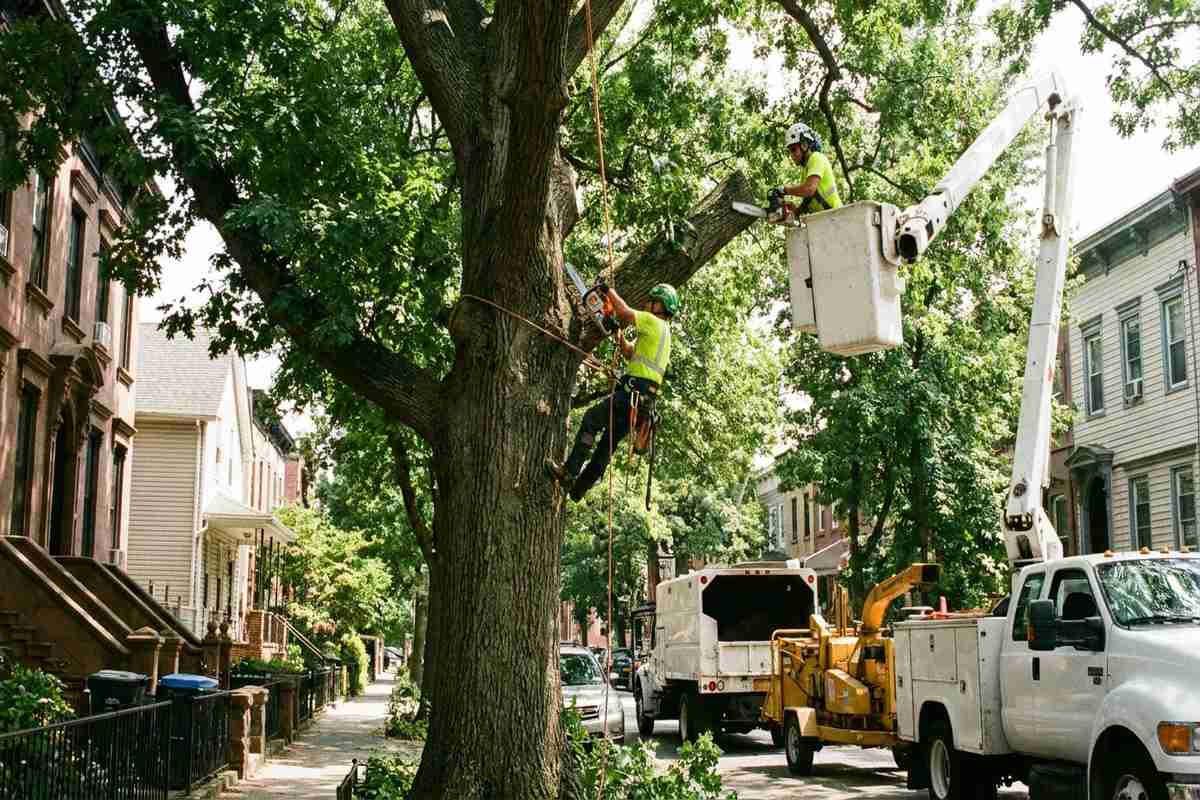
Wondering how much tree trimming costs in Brooklyn? Prices vary based on tree size, species, and access, with NYC rates running above the national average. At Tarzan Tree Removal, we provide free estimates so you know what to expect. Call us at (347) 833-5862 for a same-day quote.
Understanding tree trimming costs helps you budget for routine maintenance and avoid surprises. This guide covers average prices, cost factors, and money-saving tips.
What Is the Average Cost of Tree Trimming?
The national average for tree trimming runs $250 to $640 per tree. Most Brooklyn homeowners pay $300 to $800 for a standard job. Small trees under 20 feet typically cost $200 to $400, while large trees over 60 feet can reach $1,500 or more. Your actual cost depends on several factors we cover below.
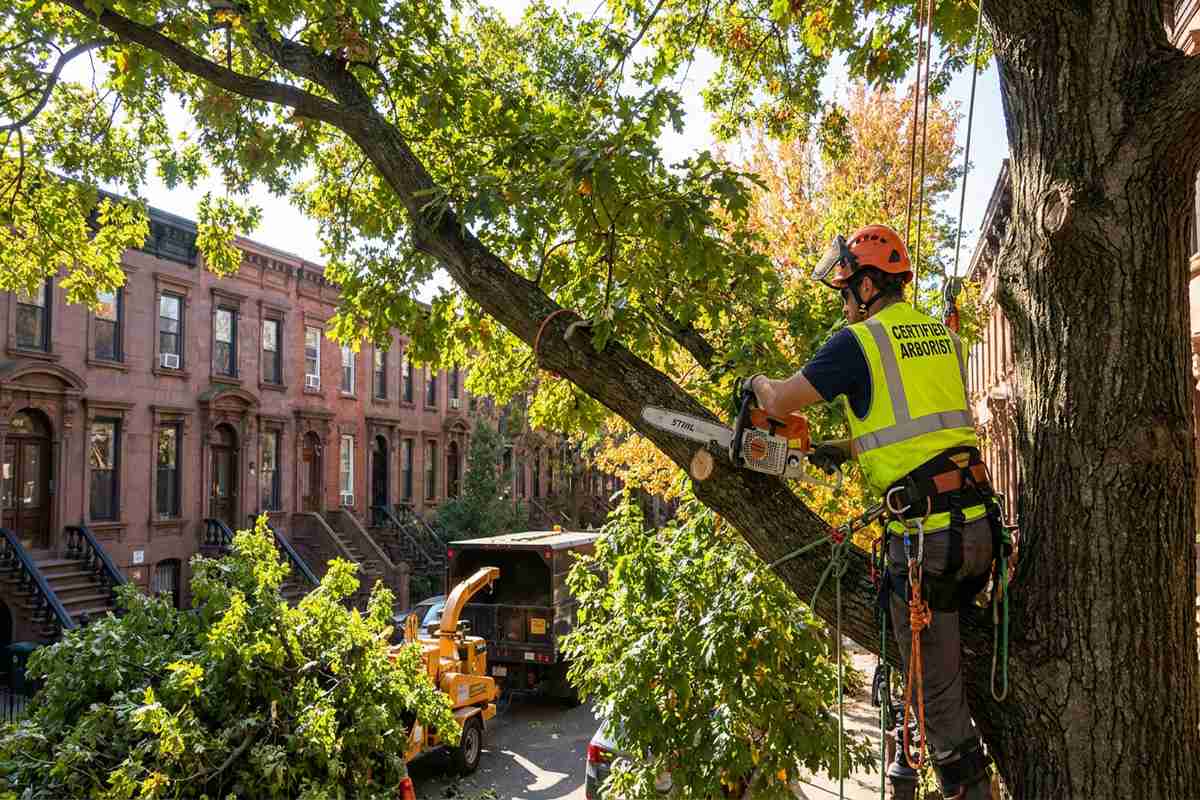
Tree Trimming Cost by Tree Size
Size is the biggest cost factor. Larger trees need more time, equipment, and crew.
- Small trees (under 20 feet): $200 to $400. Covers ornamental trees, fruit trees, and young shade trees like dogwoods and crepe myrtles.
- Medium trees (20 to 40 feet): $400 to $700. Most residential shade trees including crabapples and smaller oaks.
- Large trees (40 to 60 feet): $700 to $1,100. Mature oaks, maples, and elms common in Brooklyn yards.
- Extra-large trees (over 60 feet): $1,100 to $1,800. Tall trees near power lines or buildings cost more due to safety requirements.
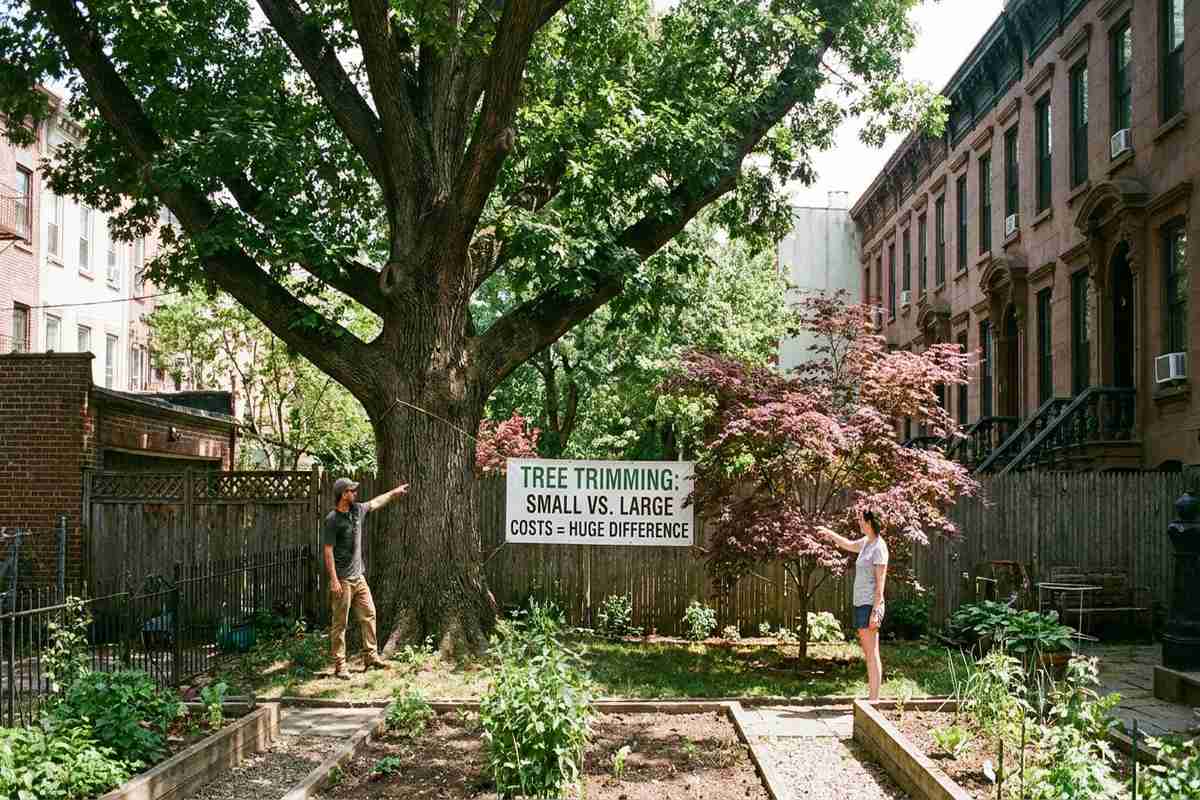
Tree Trimming Cost by Tree Type
Different species need different pruning techniques.
- Oak trees: $400 to $1,200. Oaks need careful pruning to prevent oak wilt disease. Large branches require specialized cuts.
- Maple trees: $350 to $800. Maples grow fast and need regular trimming to manage their dense canopy.
- Pine trees: $200 to $900. Tall pines require climbers or bucket trucks, adding to the cost.
- Palm trees: $150 to $400. Palms have a single growing point and fewer branches.
- Fruit trees: $150 to $400. These need precision pruning to maintain production and shape.
Factors That Affect Tree Trimming Cost
Beyond size and species, several factors influence your final bill.
- Accessibility: Trees near buildings, fences, or power lines take longer to trim safely. Tight Brooklyn lots with limited access increase costs by 25 to 50 percent compared to open yards.
- Tree health: Diseased or damaged trees need extra care. Dead branches can fall unexpectedly, requiring roping techniques that add time and labor.
- Number of trees: Many companies offer discounts for trimming multiple trees on the same visit. If you have three or more trees, ask about volume pricing.
- Time of year: Late winter and early spring are ideal for pruning. Demand is lower, and some companies offer off-season rates. Emergency trimming during storm season costs more.
- Permits: NYC requires permits for pruning street trees. If your tree is on city property or in a tree pit on the sidewalk, you need NYC Parks Department approval before work begins.
Tree Trimming vs Tree Pruning: What Is the Difference?
People use these terms interchangeably, but they are different services with different costs.
Tree trimming removes overgrown branches for shape, clearance, and aesthetics. This is what most homeowners request.
Tree pruning targets specific branches to improve health, remove diseased wood, or train growth. Pruning requires more skill and costs 15 to 30 percent more than basic trimming.
Our tree trimming service covers both approaches.
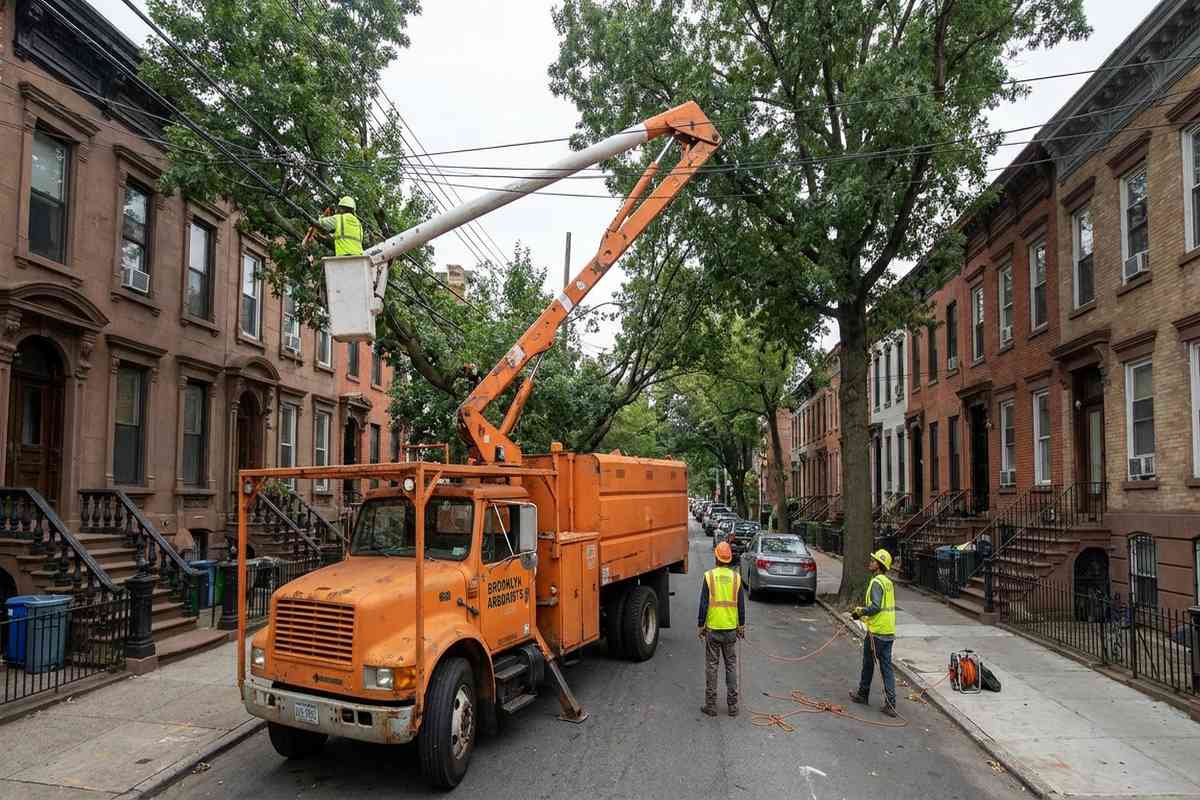
When Is the Best Time to Trim Trees?
Timing affects both tree health and your wallet.
- Late winter (January through March): Best time for most trimming. Trees are dormant, which reduces disease transmission. Off-peak pricing may apply.
- Early spring: Good for pruning before new growth. Avoid trimming spring-blooming trees until after they flower.
- Summer: Trim to remove dead wood or address storm damage. Avoid heavy pruning in extreme heat.
- Fall: Avoid major pruning. Fresh cuts are vulnerable to fungal infections during wet fall weather.
Emergency trimming can happen any time. If a storm damages branches near your roof or power lines, call our emergency tree service at (347) 833-5862.
How to Save Money on Tree Trimming
Tree trimming is an investment in your property and safety, but there are ways to keep costs reasonable.
- Trim regularly: Preventive trimming every 2 to 3 years costs less than emergency work after years of neglect. Overgrown trees require more labor and heavier equipment.
- Bundle services: Schedule trimming plus stump removal or other work at once for discounts.
- Get multiple quotes: Compare estimates from at least three licensed tree service companies. Make sure each quote includes cleanup and debris removal.
- Trim in winter: Off-season rates can save 20 to 30 percent compared to peak summer pricing.
- Maintain tree health: Regular watering and mulching reduce long-term trimming costs.
Why Brooklyn Tree Trimming Costs More
Brooklyn tree trimming prices run 20 to 40 percent above the national average. Here is why.
- Tight access: Brownstones, row houses, and apartment buildings leave little room for equipment. Our crews specialize in working in confined spaces that larger companies avoid.
- Parking and permits: Crews need parking permits for equipment trucks. NYC regulations add time and paperwork to every job.
- Insurance costs: NYC liability insurance rates are among the highest in the country.
- Labor rates: NYC wages for skilled tree workers are higher than the national average.
As a Brooklyn-based company, we keep costs competitive without cutting corners on safety.
Signs Your Tree Needs Trimming Now
Do not wait for a regular schedule if you notice these warning signs.
- Dead branches: Brown or leafless branches during the growing season need removal before they fall.
- Branches near structures: Limbs touching your roof, siding, or power lines are a safety hazard.
- Crossing branches: Branches rubbing against each other create wounds that invite disease.
- Excessive leaning: A tree that has shifted or developed a lean needs immediate evaluation by a certified arborist.
- Storm damage: Broken, hanging, or split branches after a storm require emergency attention. Call (347) 833-5862 for a free assessment.
DIY Tree Trimming vs Hiring a Professional
Some homeowners consider trimming small branches themselves. Here is what you need to know.
DIY trimming risks include ladder falls, improper cuts that damage tree health, power line contact, and property damage liability. Professional crews use proper pruning techniques that promote healthy growth, carry insurance that protects you from liability, and handle branches of any size safely.
For anything above ground level or branches thicker than two inches, hire a professional. The cost of improper trimming to tree health far exceeds the price of professional service. Call (347) 833-5862 to speak with our team.