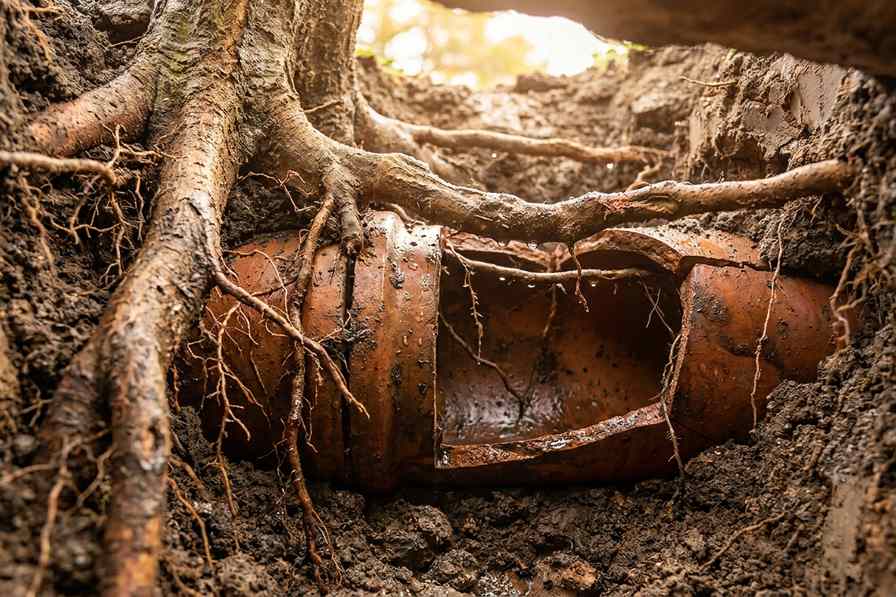
When drains slow to a crawl across Brooklyn, tree roots in sewer line pipes are a prime suspect for the crews at Tarzan Tree Removal. One root hair finds a cracked joint in a century old clay pipe, and within seasons a root mass clogs the line. Our tree removal team stops the problem at the source.
Here are the signs, costs, insurance rules, and prevention steps you need.
How Tree Roots Get Into Sewer Lines
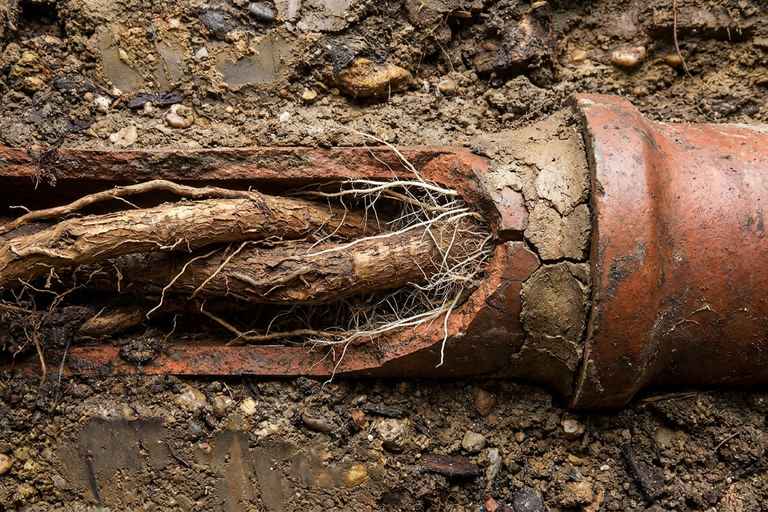
Sewer lines carry warm, nutrient rich water, and roots sense that moisture from yards away. Many sewer lines in Flatbush and Bensonhurst were laid a century ago in clay sewer pipe sections joined with mortar. Those joints shrink, crack, and leak water into the soil.
A root hair slips through a barely open joint, finds water and grease inside, and thickens into a root mass that traps paper and debris. Root intrusion moves fastest in late summer droughts, when the line is the only reliable water in the yard, which is why backups spike in August. The same instinct sends roots under houses, as our tree roots damaging foundation guide explains.
Warning Signs of Roots in Your Sewer Line
Root intrusion leaves months of hints before a full backup:
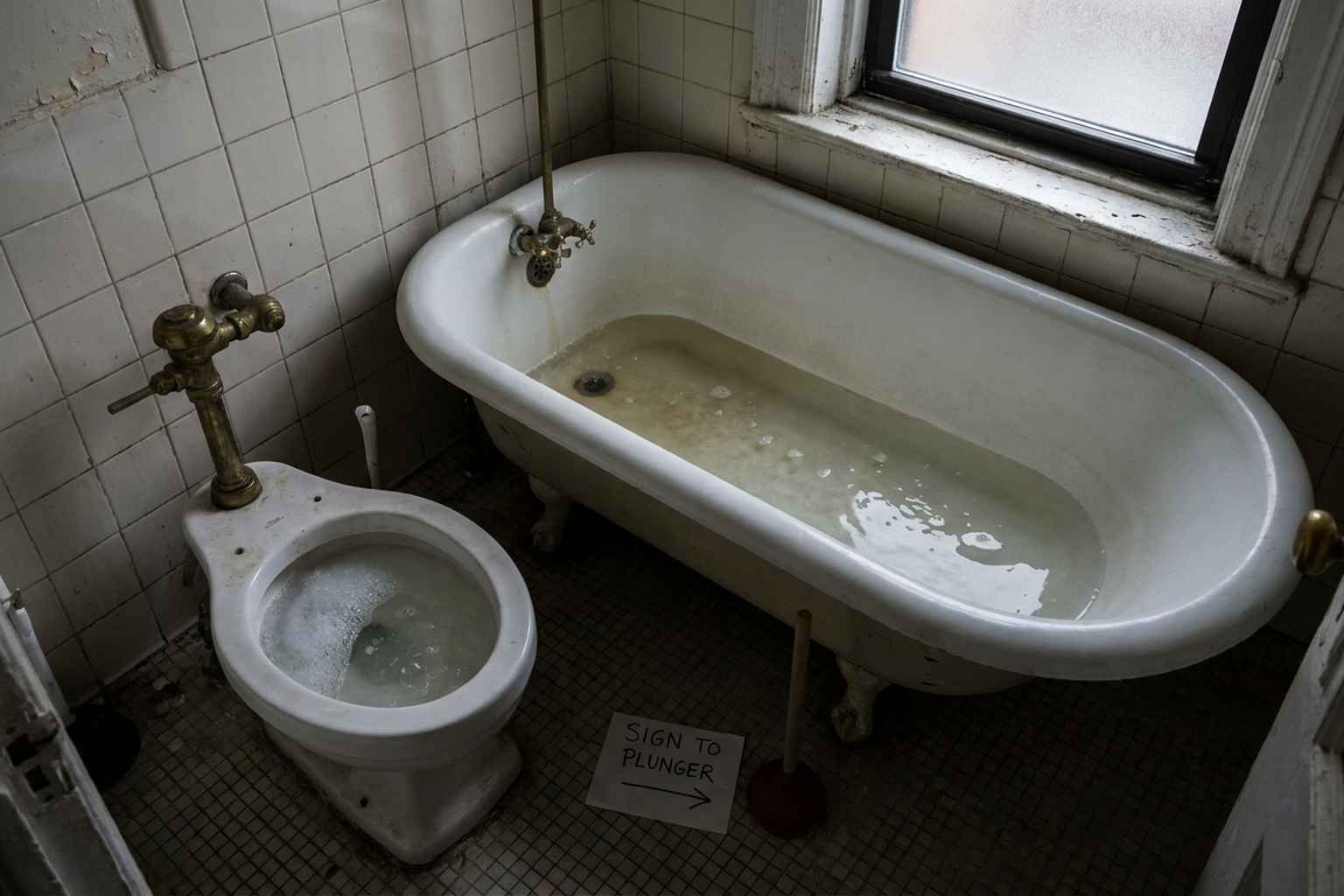
- Slow, gurgling drains - tubs empty slowly and toilets bubble when flushed
- Frequent backups - the same drain clogs again weeks after every cleaning
- Sewer odor - bad smells rise from floor drains, tubs, or the front yard
- Extra green grass - a lush, soggy patch sits right over the leaking line
- Sinkholes - soil dips where the pipe is collapsing
- Rodents inside - a cracked line gives rats a route into the basement
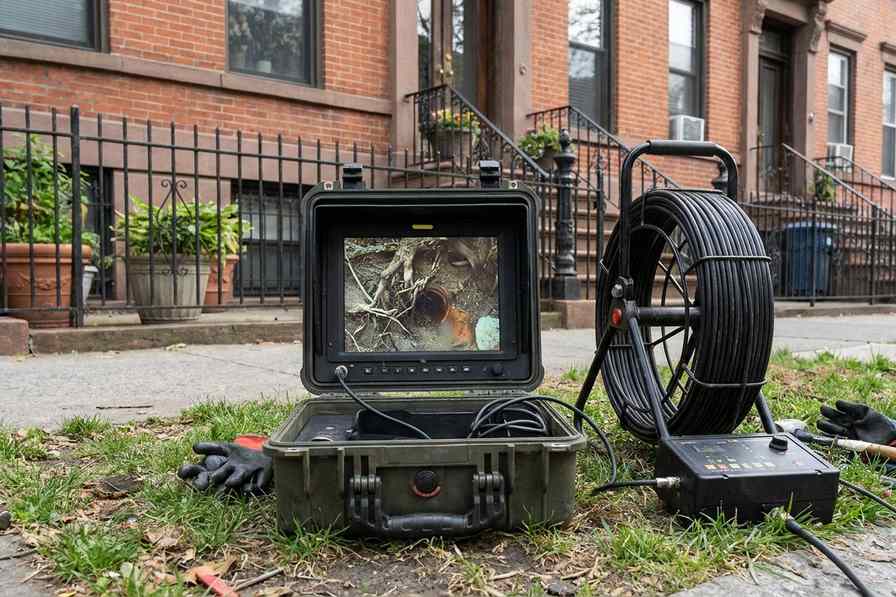
One slow drain is a local clog. Multiple slow drains at once point to the main sewer pipe, so call a plumbing camera crew and find the root sewer entry point before pipe damage spreads.
Repair Costs and Options for Root Damage
Fixing tree roots in sewer line damage depends on where roots sit and how deep the intrusion goes:
- Root cutting or hydro jetting - $200 to $800 to clear the line today, but roots regrow
- Camera inspection - $100 to $500 to pinpoint the entry point
- Foaming root killer - $150 to $300 per treatment to slow regrowth
- Spot repair or pipe lining - $3,000 to $8,000 to seal one damaged section
- Full line replacement - $10,000 to $25,000 in NYC, with sidewalk and permit costs
NYC labor and permits push these numbers above national averages, and many Brooklyn rowhouses share a line with a neighbor. Get camera footage before anyone quotes a replacement.
Does Homeowners Insurance Cover Root Damage?
Most standard policies will not pay for the sewer repair itself, because gradual root intrusion counts as wear and tear. A sewer backup endorsement may cover resulting damage, like a flooded basement, because roots can even collapse sections of an old clay line. Document everything from the first backup: photos, camera footage, invoices, and a 311 report if the city owned section is involved. Our team provides root documentation that supports the claim.
Prevention: Keeping Roots Out of Sewer Lines
The cheapest way to protect sewer lines is acting before roots ever reach your sewer line:
- Call 811 before planting to map the line path
- Keep thirsty species like silver maple and willow 10 feet away
- Camera old clay lines every 2 years
- Flush foaming root killer each fall
- Cut grease, which narrows pipes and feeds roots
Trimming and root barriers buy time, but a repeat offender near an old line usually ends with the tree coming out. Our certified arborist services team will tell you which trees are the real risks when you call (347) 833-5862.
If the camera shows roots wrapped around your line, removing the problem tree ends the cycle. Tarzan Tree Removal serves all five boroughs, with stump removal that kills roots for good and an emergency tree service crew when hazards cannot wait. Call (347) 833-5862 for a free quote, or see our tree root removal cost guide.